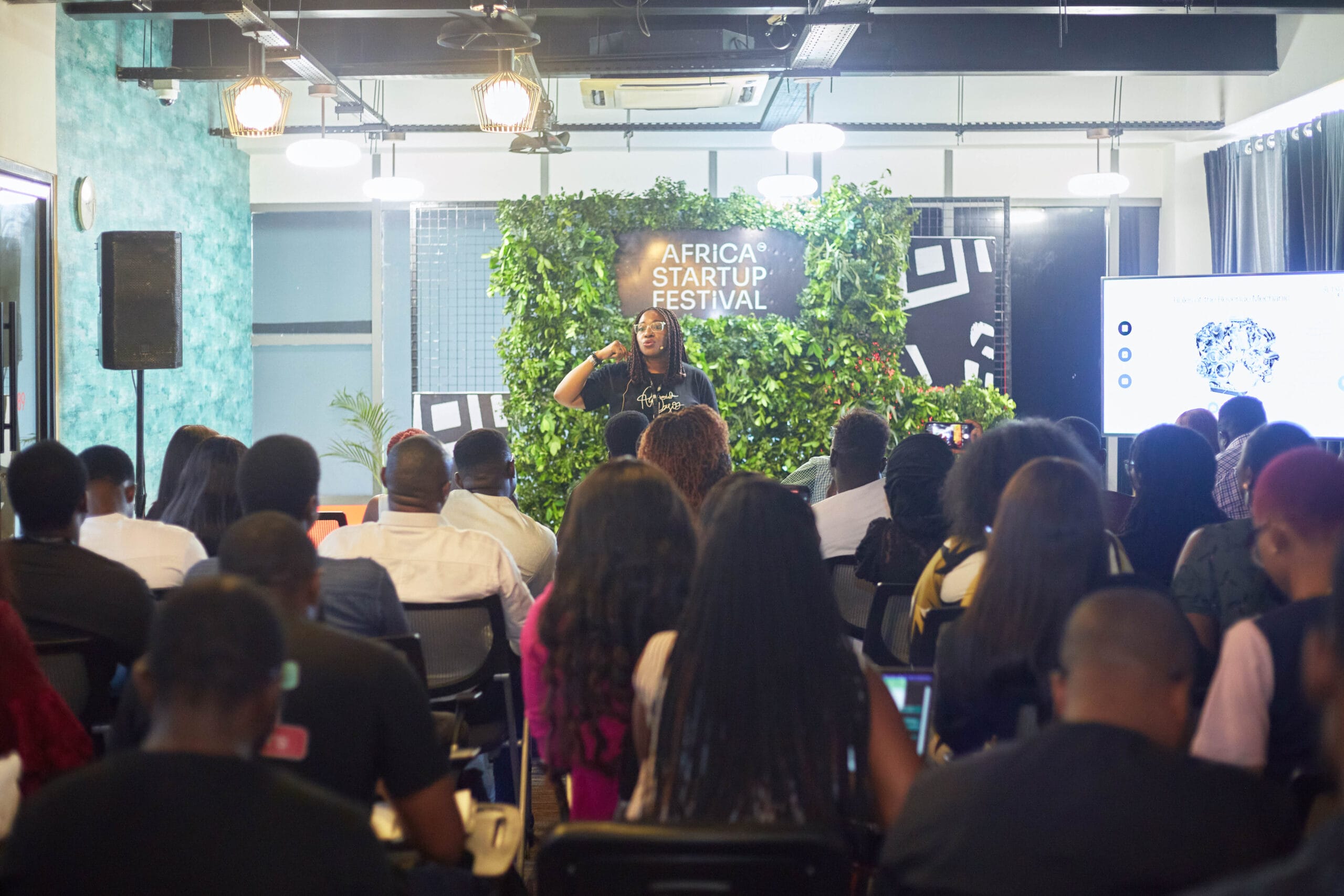



Senior technology leaders from across Nigeria’s banking and fintech ecosystem gathered in Lagos on March 3rd for Banking on the Cloud: Regulation, Resilience & the Next Scale Curve, a closed-door executive forum convened by Vontech Group in collaboration with Amazon Web Services (AWS), Redington, and B4B Partners.
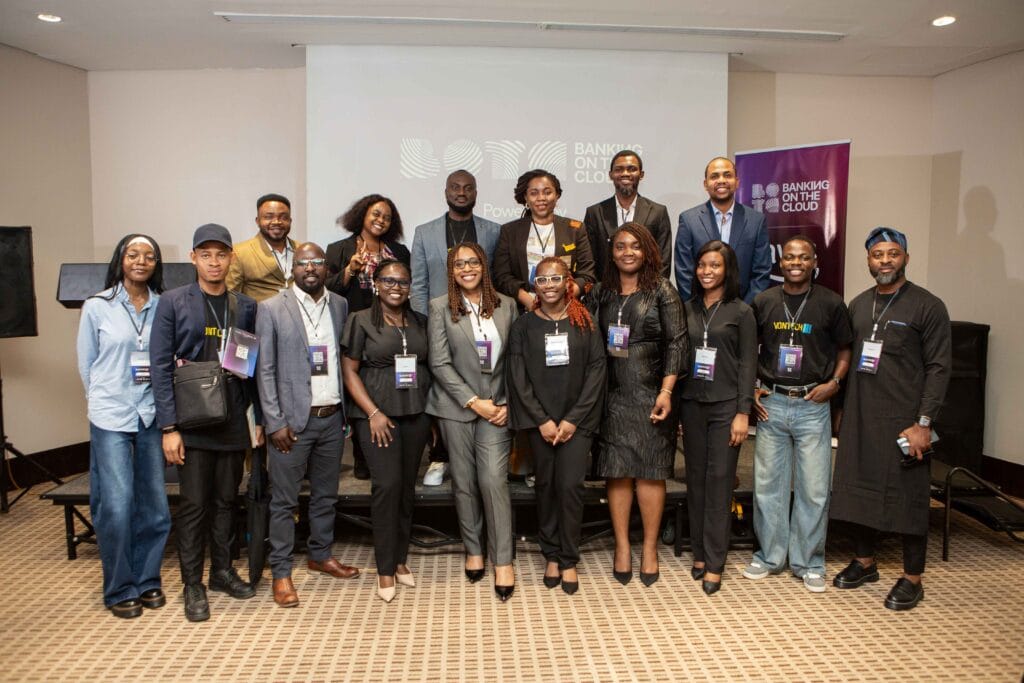
Hosted at the Lagos Continental Hotel, the gathering drew senior executives from banks, fintechs, payments providers, regulatory agencies, and cloud specialists to examine one of the most consequential questions facing Nigeria’s financial system: how to scale digital finance securely while maintaining trust, resilience, and regulatory integrity. This event created a rare setting where policy direction, operational realities, and emerging technology strategies could be discussed openly.
Trust and Resilience Must Anchor Digital Growth
Delivering the keynote address on behalf of the Director of the Payments System Policy Department at the Central Bank of Nigeria (CBN), Dr. Chikelu Edison Oballum, Deputy Director and Head of the Digital Currency Management Division, framed the day’s conversation around the structural foundations of a modern financial system.
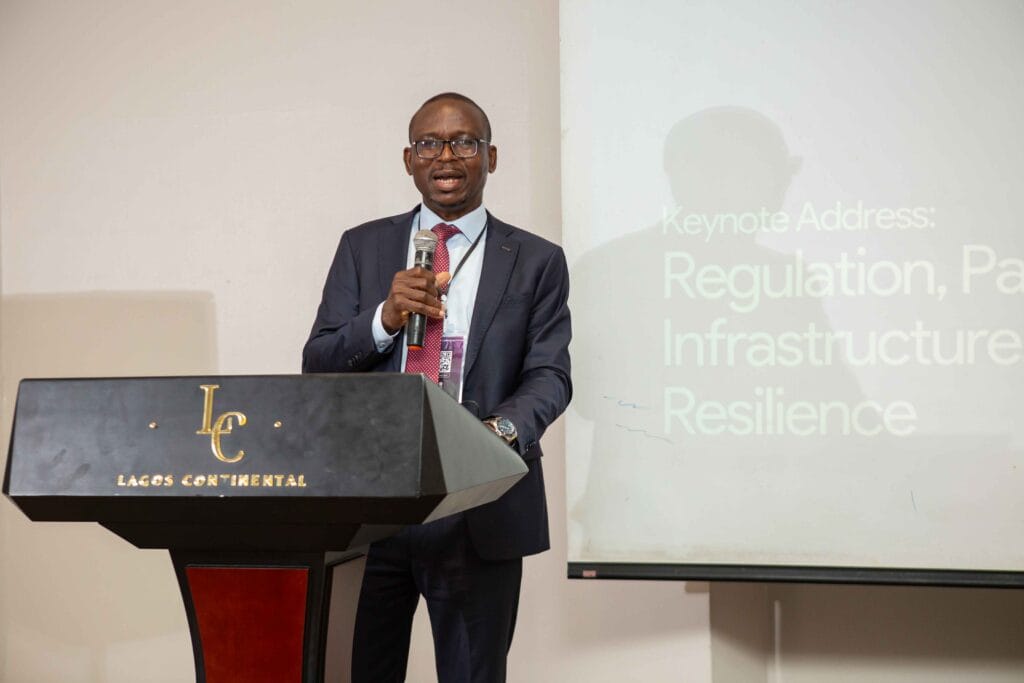
“Ultimately, today’s conversation is about trust, resilience, and Nigeria’s readiness for the next scale curve of global digital finance,” Dr. Oballum said. “Innovation is already happening at speed; the real question is whether our systems are strong enough to withstand shocks, mitigate risk, and inspire public confidence as digital transactions grow exponentially.”
He noted that cloud infrastructure is increasingly becoming part of the global financial backbone—powering payments, fraud detection, and supervisory systems—but stressed that adoption must be grounded in robust cybersecurity governance and national data protection priorities. “Technology does not guarantee resilience; architecture and governance do,” he said.
Building Payment Rails for Nigeria’s Unique Realities
A fireside session on Running High-Volume Payments Infrastructure Without Fragility brought together Muhammad Aminu Lawal, Special Assistant to the Director-General on Policy at the National Information Technology Development Agency (NITDA), and Oluseyi Adenmosun, Ag Head of Technology and IT Services at NIBSS, moderated by Brian Hayes, Head of Financial Services Go-to-Market for EMEA at AWS.

Both speakers acknowledged the remarkable expansion of Nigeria’s payments ecosystem but warned that rapid growth introduces new systemic dependencies.
Adenmosun noted that Nigeria’s payments infrastructure must be designed around the country’s operational realities rather than adapted wholesale from other markets.
Lawal highlighted emerging structural risks that institutions must confront as systems scale, including unapproved “shadow IT” deployments and opaque architectures that introduce vulnerabilities into critical infrastructure.
When Systems Fail: Resilience as an Executive Responsibility
The forum’s executive panel examined a reality increasingly acknowledged across the industry: system failures are inevitable in complex financial environments.

The discussion, moderated by Ebere Nkoro, Senior Partner Success Manager for Enterprise at AWS, featured Blessing Ehize, Chief Technology Officer at FCMB; Omotayo Ogunlade, Group CTO at Onafriq; and Richard Amafonye, Senior Banking Advisor at Access Bank.
Amafonye described true resilience as the ability for systems to recover automatically without human intervention or data loss. Ehize emphasised institutional discipline over improvisation.
“You are only as good as what you have documented. The faintest pen is better than the strongest brain,” he said, underscoring the importance of structured operational playbooks.
Ogunlade added that resilience cannot be improvised during a crisis. “When incidents occur, the first actions teams take should not be decisions made in the moment,” he said. “They should be procedures already rehearsed through simulation exercises long before anything goes wrong.”
Cloud as Infrastructure for Governance and Scale
In a strategic perspective session, Brian Hayes argued that the financial institutions best positioned for the next phase of digital growth are those treating cloud infrastructure as part of governance and regulatory compliance rather than merely an IT decision.
Global banks are increasingly relying on cloud platforms to modernise legacy systems, manage growing data volumes, and strengthen security architecture while maintaining regulatory oversight.
From Strategy to Execution
A highlight of the event was a product demonstration led by Jeffery Idehen, Chief Executive Officer of Vontech Group, and his technical team, who showcased new capabilities designed to help financial institutions manage the complexity of cloud adoption while maintaining operational resilience.
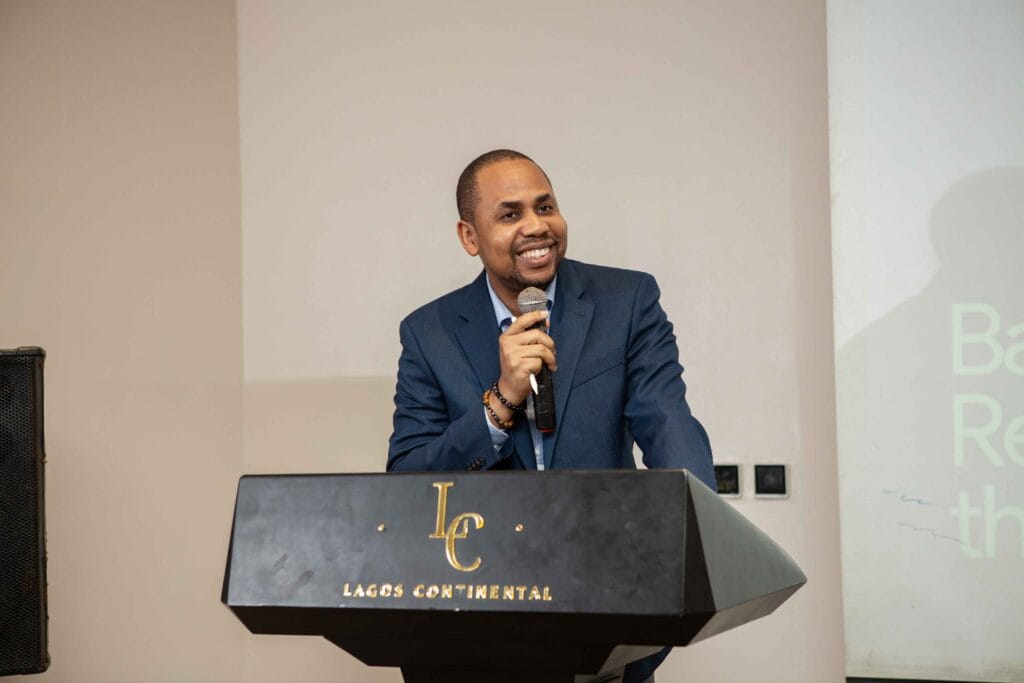
Idehen said the forum reflects a growing recognition that Nigeria’s financial infrastructure must evolve in step with the scale of digital transactions flowing through it.
“Nigeria’s financial sector is entering a phase where scale, resilience, and regulatory clarity must evolve together,” he said. He also acknowledged the collaborative effort behind the gathering.
“We acknowledge AWS, Redington, and B4B Partners for their partnership in making this forum possible. Strengthening the resilience of financial infrastructure requires cooperation across the entire ecosystem—regulators, banks, technology providers, and innovators.”
Technology Leadership in a Resilient Financial System
To close the event, Akinsope A. Roberts, Technical Adviser to the CEO of First Bank Group, reinforced a central theme of the forum: resilience must be treated as a leadership mandate.
Technology leaders, he argued, must design systems capable of operating under stress while maintaining the trust of customers, regulators, and markets.

A Turning Point for Financial Infrastructure Conversations
As Nigeria’s digital payments economy continues to expand, conversations around infrastructure resilience are increasingly moving beyond technology teams to boardrooms and policy circles.
The discussions at Banking on the Cloud reflected a growing consensus that the country’s next phase of financial innovation will depend not only on speed and scale, but on the durability of the systems that support it.
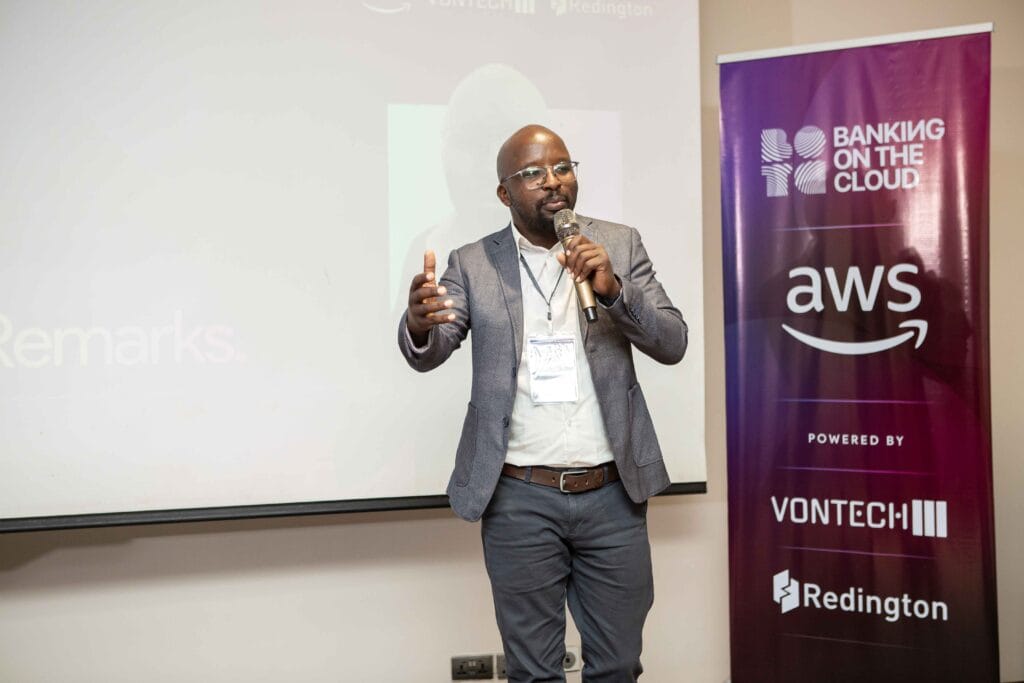
In Gilbert Kiprono’s (Redington) words, “Nigeria’s financial technology leadership is not waiting for the future. It is actively building it, under regulatory scrutiny, at scale, and with the weight of an economy’s payment infrastructure on its shoulders.”
In that sense, the forum marked more than a technology gathering. It signalled a broader shift in how Nigeria’s financial ecosystem is thinking about the foundations of trust in a digital economy.